Differentiating Words that Sound Alike
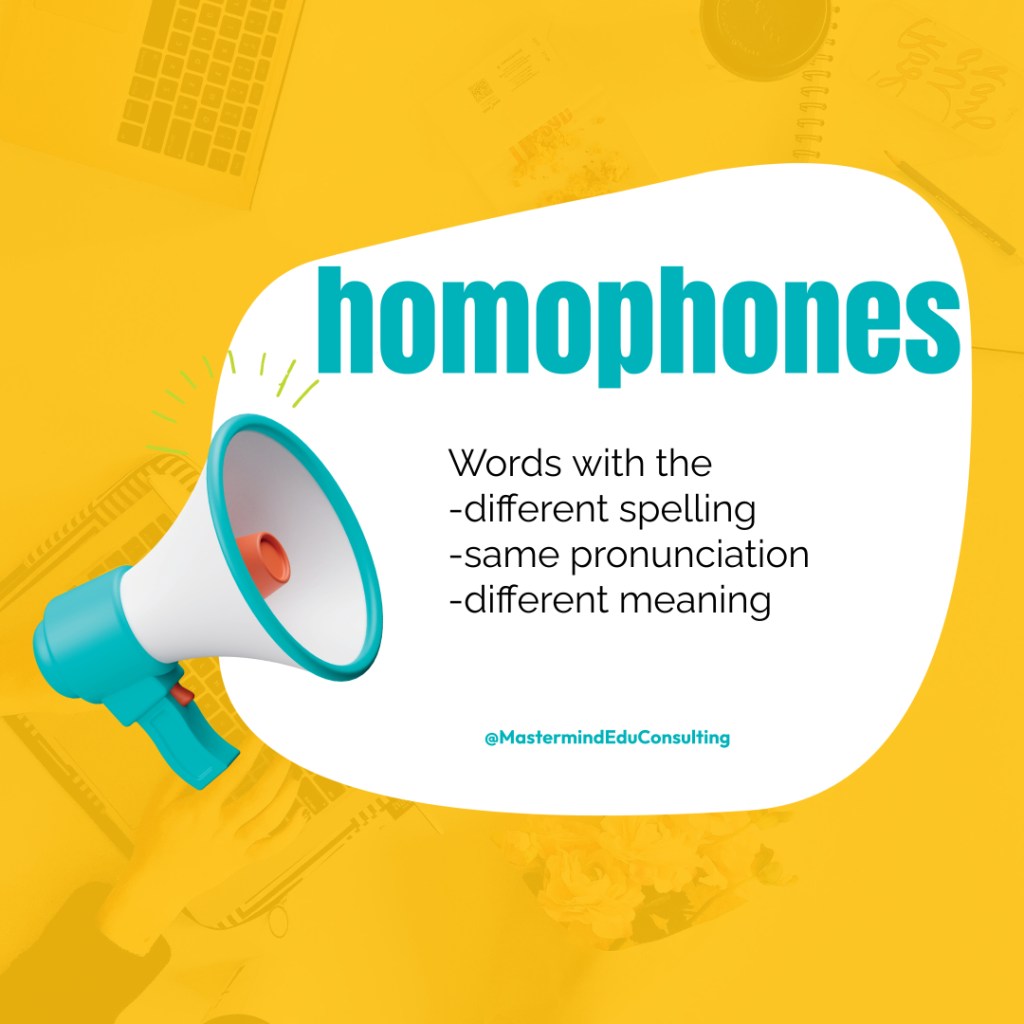

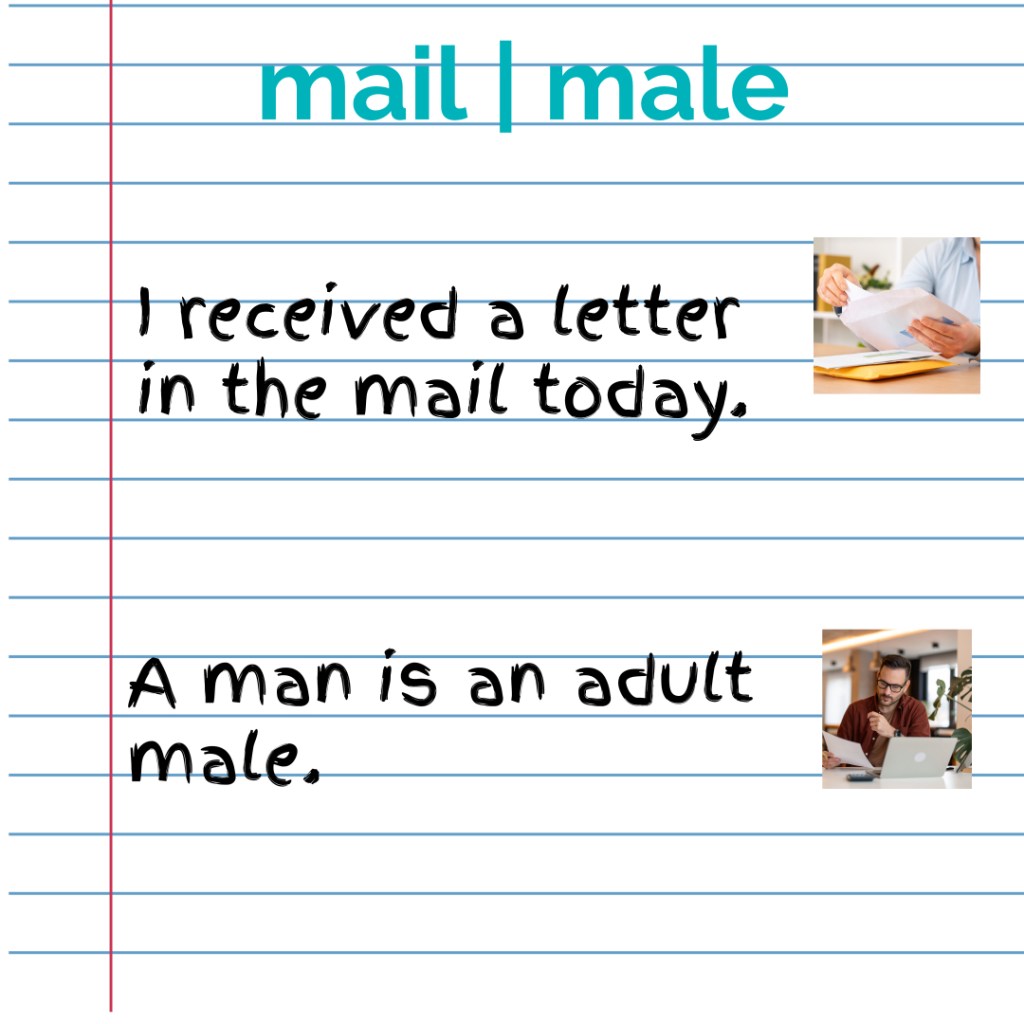

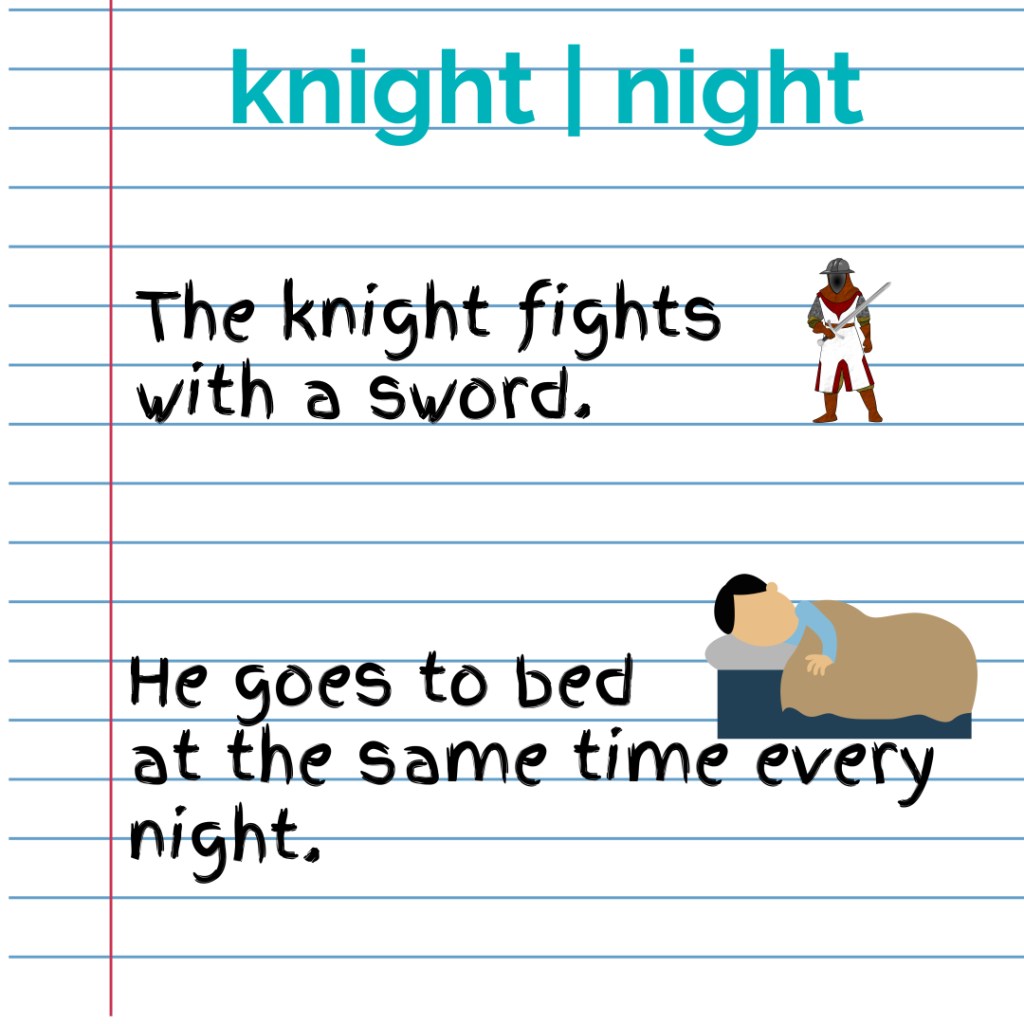
Homophones are a fascinating aspect of the English language, comprising pairs of words that are pronounced the same but spelled differently. These word duos may sound identical, yet their meanings and usages can be distinct.
For instance, consider the homophones “their,” “there,” and “they’re.” “Their” denotes possession, as in “Their car is parked in the driveway.” “There” points to a location, such as “The library is over there.” Meanwhile, “they’re” is a contraction of “they are,” as in “They’re going to the movies.”
Consider “meet” and “meat.” “Meet” is a verb describing the act of coming together or encountering someone, as in “Let’s meet at the park.” On the other hand, “meat” refers to the flesh of animals used for consumption, such as “I’m grilling some meat for dinner.”
These homophones may sound alike, but their distinctions in spelling and meaning are essential to convey precise messages in both written and spoken communication. Gaining clarity about such word pairs can prevent misunderstandings and enhance the effectiveness of language use.
Can you think of another pair of homophones? Share them with us on Instagram!
Interested to learn more about homophones and other topics? Click the button below to have a one-to-one consultation with us!
 ewblair.com