Why Ivy League Universities Require Proof of English Language Proficiency for Non-Native Speakers
In the United States, Ivy League universities are renowned for their academic excellence and rigorous admission standards. One key requirement for international applicants who are not native English speakers is to demonstrate their English language proficiency. This policy ensures that all students can fully engage in the rigorous academic programs and thrive in the English-speaking academic environment.


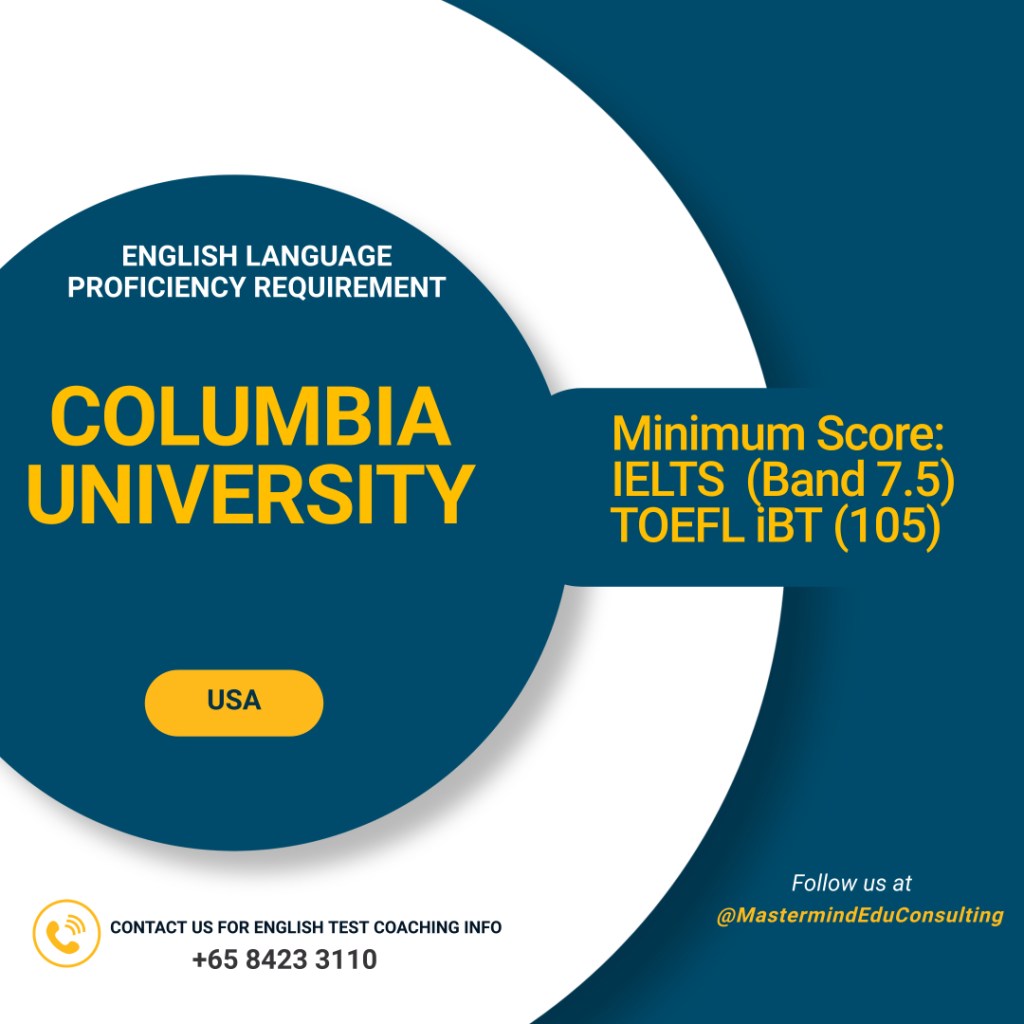

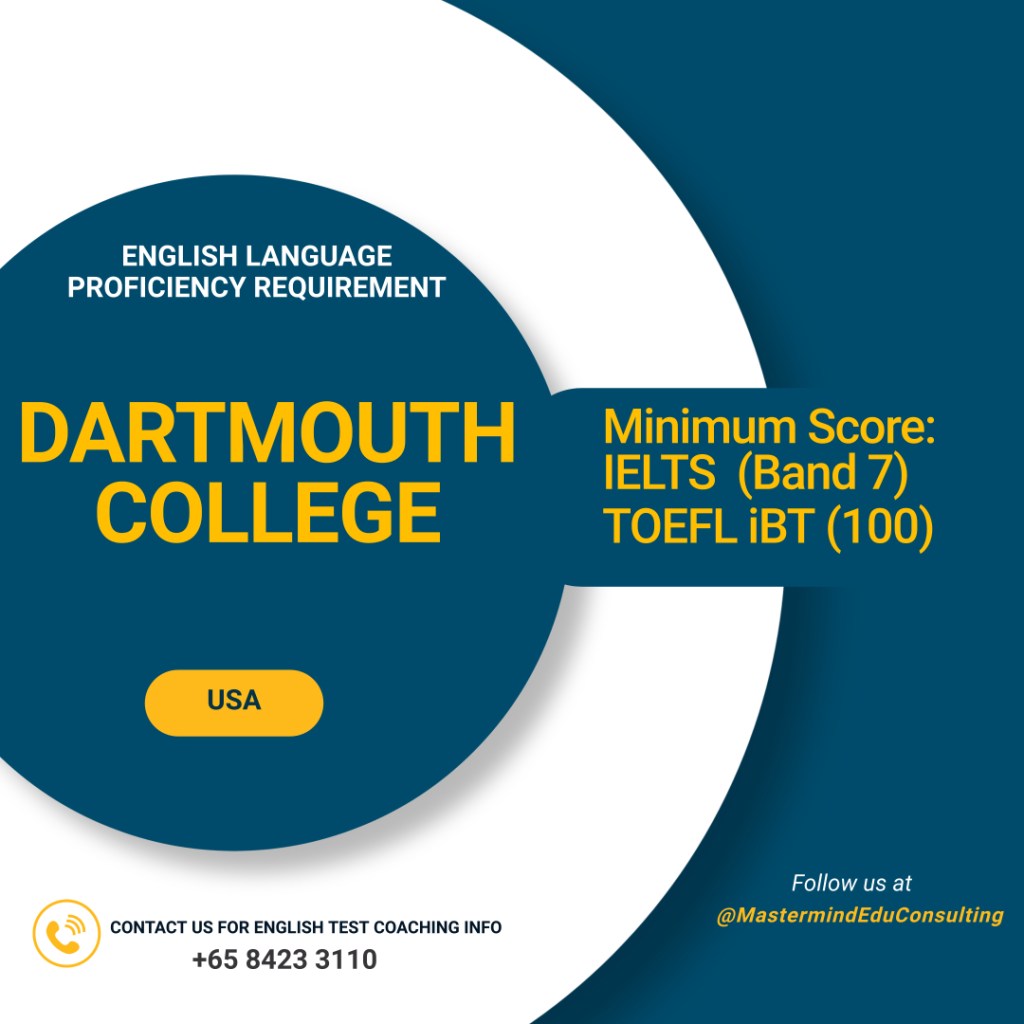
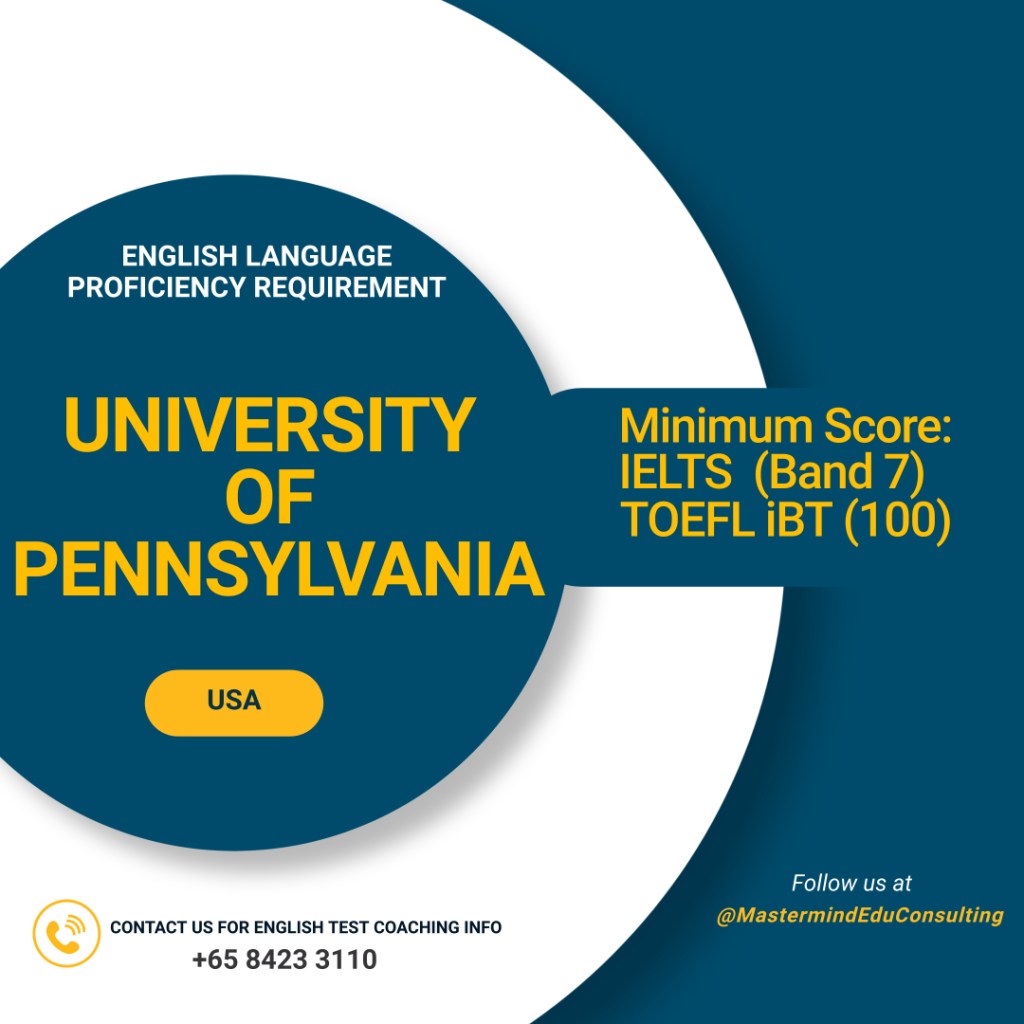
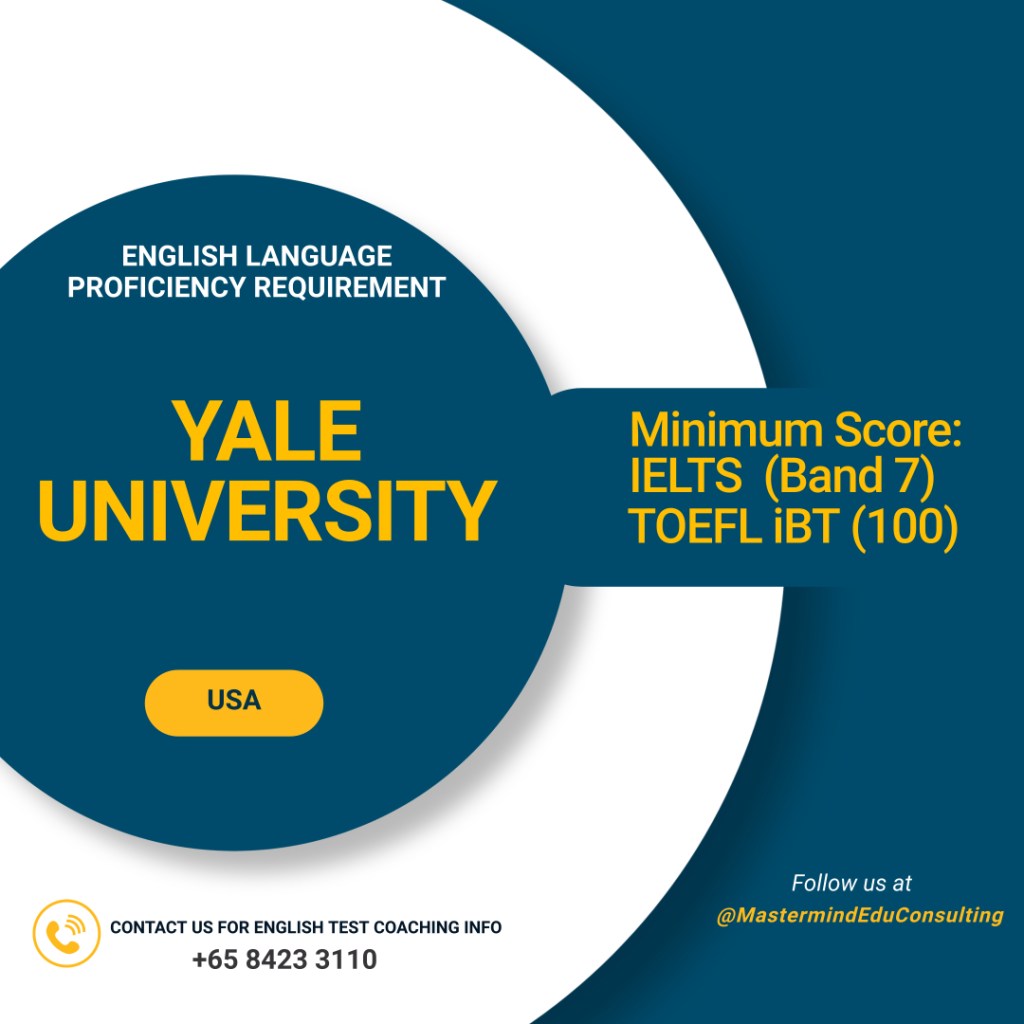
Here, we explore why Ivy League schools demand English language proficiency proof and some of the common language tests they accept.
- Academic Success: The primary reason for requiring English language proficiency is to set students up for success. Ivy League universities offer challenging coursework and demanding academic environments. Proficiency in English is essential for students to comprehend lectures, engage in class discussions, write research papers, and excel in exams.
- Effective Communication: Strong communication skills are fundamental in both academic and professional settings. To actively participate in classes, students must be able to express themselves clearly, comprehend complex texts, and interact with professors and peers. Demonstrating language proficiency ensures that students can make the most of their education.
- Diverse Community: Ivy League schools boast diverse student populations, and a common language is vital for fostering inclusivity. Proficiency in English helps non-native speakers communicate and collaborate effectively with their peers from around the world.
- Global Perspective: Many Ivy League universities emphasise global perspectives and encourage international students to contribute to the campus culture. Proficiency in English allows these students to share their unique experiences and ideas, enriching the educational experience for everyone.
Common Language Tests Accepted
Ivy League universities accept various English language proficiency tests, including:
- TOEFL and TOEFL iBT: This standardised test assesses a student’s ability to understand and use English in academic settings. It evaluates reading, listening, speaking, and writing skills.
- IELTS: IELTS measures English language proficiency and includes listening, reading, writing, and speaking components. It is widely accepted by Ivy League institutions.
- Duolingo English Test: Some Ivy League universities have started accepting the Duolingo English Test, which is a convenient online test that assesses reading, writing, listening, and speaking skills.
- Pearson Test of English (PTE): PTE evaluates a student’s English language skills in real-life academic and general content. Some Ivy League institutions consider this test for admission.
In conclusion, Ivy League universities in the United States require English language proficiency proof for non-native speakers to ensure that all students can meet the high academic standards, effectively communicate, and contribute to the diverse and global community within these prestigious institutions. The acceptance of various language tests, such as TOEFL, IELTS, Duolingo, and PTE, provides flexibility for international applicants to demonstrate their English language proficiency. This policy not only benefits the students but also enhances the academic environment and cultural diversity of these esteemed institutions.
 ewblair.com